
The Locust of MM2 Multiplayer Guide for MM2 of The Locust
Coordinate survivor squads with friends: role splits, landmark calls, chase spacing, and revive decisions.
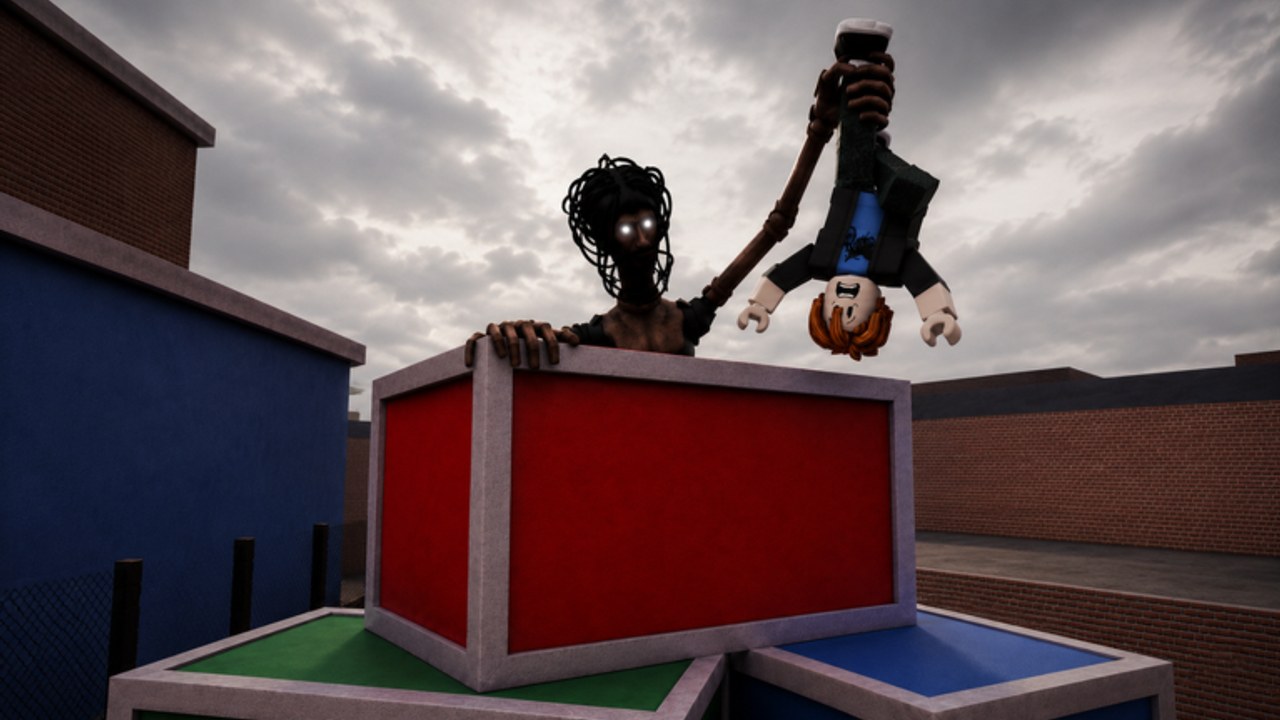
MM2 of The Locust is a 30-player online experience. Playing it with friends changes how you move, call targets, and survive chases together. Solo players react; coordinated squads predict. This guide covers squad formation, in-round communication, and the specific decisions that matter when you can actually talk to the people around you.
This guide assumes you already know the basics from getting started, controls, and how to survive. Multiplayer changes the tactics, not the rules.
Why multiplayer changes the round
In a solo game you read audio, crowd movement, and the HUD. In a squad you get voice chat, shared memory, and divided roles. That makes some mistakes worse — a crowd following a teammate into a locker bank is still Locust food — and creates new options: one player watches a stair while another grabs Keys on the far side of the map.
The 30-player cap means you will almost never fill a full squad. Treat every teammate as a temporary partner, not a permanent team. Brief calls and clear landmarks beat long explanations mid-chase.
Squad roles before the round starts
Before the lobby countdown, agree on one or two roles:
Lobby Watcher — Stays near the spawn, watches for the Locust spawn point, and calls the first direction. In a 30-player server the Locust can appear anywhere; the watcher is the first audio ping.
Key Farmer — Focuses on the floor pickup loop. If a 30-key objective is active, this player takes basement runs while the others hold the main floor. The farmer communicates Key count and any trap discoveries.
Revive Bearer — Holds spare Keys or a shop revive for teammates. This player coordinates revive buys and calls whether a dead teammate should pay the cost.
Locust Shadow — A player who has survived long enough to understand the current map. Calls landmarks, locker positions, and exit routes during the hunt. Useful in public servers as well as private squads.
You do not need all four roles. Even two players agreeing on a basic split — one watches a floor, one covers a stair — beats zero coordination.
In-round calls that actually help
Keep calls short. A good call in MM2 of The Locust has three parts:
- What you see — “Locust lower hall,” “three on TV,” “Key cluster basement.”
- Where it is going — “coming upstairs,” “moving toward you,” “already at the stair.”
- What you need — “backup at locker,” “cover my revive,” “do not come down here.”
Bad calls are “oh no,” “help,” or a long description while the monster is two rooms away. Short landmark calls work. Emotional reactions do not.
Chase spacing in a squad
When a Locust targets one of your squad, the instinct is to cluster. Resist it. A cluster of three avatars in one corridor is a single swing. Spread to cover different exits so the Locust cannot pinch the whole group at once.
Instead of clustering, assign one player to draw the chase while others relocate and regroup. The runner leads the Locust away; the others take the side doors and hide. Once the runner breaks line of sight, they hide too. No player should be the bait for more than ten seconds.
If two teammates are in the same locker bank, spread. Move to adjacent containers. A single Locust check that hits two players at once is the worst outcome.
Key carrier protection
When a player is carrying a high Key count, they become a priority target for the Locust and a target for revive tax if caught. The squad should:
- Keep the Key carrier in a low-traffic area
- Assign one player to watch the approach to the carrier’s position
- Call the Locust direction loudly enough for the carrier to hear and relocate
A Key carrier who dies with 20+ Keys and no nearby revive is a round-losing mistake. Protect the carriers.
Revive decisions in multiplayer
Revive costs resources. In a squad, the Revive Bearer should make the call:
- Buy revive if the dead player knows a useful route, has critical map memory, or is a Key carrier
- Skip revive if the dead player is new to this map, died in the first minute, or the round objective is already lost
Never revive a teammate into the same trap they just died in. Call the new spawn, warn them of the danger, and guide them to a safe route.
TV event coordination
TVs trigger horror events. A squad on a TV is a dinner bell. If your squad approaches a glowing screen:
- One player watches the approach paths to the TV
- The others take side exits and are ready to sprint in different directions
- No more than two players should ever stand in front of a TV at once
This is not intuitive — the instinct is to watch the screen together. Break the habit.
Multiplayer mistakes that lose rounds
- Three players hiding in one locker row — one swing, three deaths
- Everyone following the same audio ping — the Locust farms the crowd
- No landmark calls during a chase — solo panic infects the squad
- Reviving a teammate into a known Locust position — repeat death
- Competing for the same Key clusters — spread the farm, cover more ground
A squad pre-round checklist
- Agree on two or three roles before the map vote.
- Confirm who calls the Locust first and who covers the Key carrier.
- Vote the same map. A split vote weakens the squad.
- Buy taser or camera only if you have Keys; do not buy cosmetics before stun tools.
- One player watches the lobby for the Locust spawn direction.
- Brief call format: “Locust [landmark] going [direction].”
Frequently Asked Questions
Quick answers for nest survival, codes, and Locust hunts.
How many players should be in a squad?
Even two coordinated players beat zero coordination. Two to four is ideal. Larger squads become hard to coordinate mid-chase.
What is the most important call in a squad?
Landmark plus direction: "Locust lower hall coming upstairs." Three words. No emotion. The landmark tells teammates where, the direction tells them whether to run or hide.
Should multiple players hide in the same locker bank?
No. Spread to adjacent containers. One Locust swing at a cluster of three players is a round-losing mistake.
How do I protect a Key carrier?
Assign one player to watch the approach routes. Call the Locust direction loudly. Keep the carrier in low-traffic areas and guide them to safety when the hunter moves in.
When should a squad buy a revive?
Buy when the dead player has useful map memory, is a Key carrier, or the objective is still live. Skip revive if they died early, have no map knowledge, or the round is already lost.
Is it safe to watch a TV event together?
No. A crowd on a TV is a kill zone. One player watches approach paths; the others take side exits. Two players maximum at a screen.